
Honolulu Vacation Rental Permit Requirements

Comparent ·
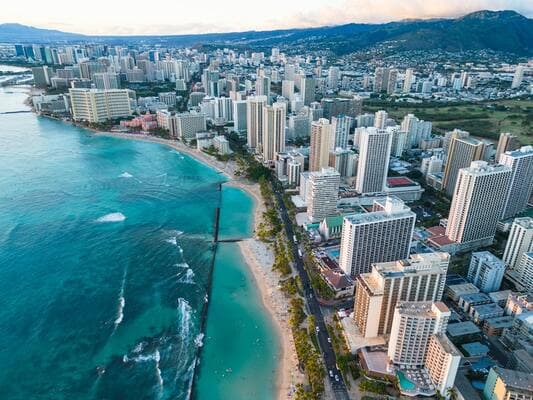
Are you considering renting out your property in Honolulu as a vacation rental? Understanding the city’s permit requirements is essential to operating legally and avoiding penalties. Whether you own a bed and breakfast home or a transient vacation unit, meeting these guidelines ensures your rental aligns with city standards.
In Honolulu, short-term rentals are only permitted in resort-zoned and specific apartment-zoned areas. These rules help preserve housing availability for long-term residents while supporting sustainable tourism.
Registration with the Department of Planning and Permitting (DPP) is mandatory for all short-term rentals. This process involves specific steps, including submitting required documents and adhering to zoning and operational standards.
Eligibility and Application
To legally operate a vacation rental in Honolulu, you must meet eligibility requirements and follow the outlined application procedures. Key areas to consider include the types of permitted rentals, zoning regulations, ownership criteria, and the application process.
Types of Vacation Rentals
Vacation rentals in Honolulu are categorized as either short-term vacation rentals or bed and breakfast homes:
- Short-term vacation rentals: Provide accommodations for stays of less than 30 consecutive days.
- Bed and breakfast homes: Typically have a resident host living on-site.
Each type has distinct registration and licensing requirements, so understanding these distinctions helps you determine the best option for your property.
Zoning Regulations
Honolulu’s zoning laws strictly regulate where vacation rentals can operate. These laws aim to balance tourism with the needs of local residents. Short-term rentals are generally allowed only in resort-zoned or specific apartment-zoned areas.
Before applying for a permit, use the city’s zoning maps to confirm that your property is eligible. Violations of zoning laws can result in fines and potential permit denial.
Ownership Requirements
As a property owner, you must meet specific requirements to operate a vacation rental. Proof of ownership is required, and if a management company is involved, a valid management contract must be included.
Additionally, you are required to designate a local contact who is available 24/7 to address guest concerns. This ensures accountability and helps maintain compliance with operational standards.
Application Process
Applying for a vacation rental permit involves several steps:
- Gather necessary documents, including proof of ownership, site plans, and insurance coverage.
- Complete and submit the application to the Department of Planning and Permitting.
- Pay applicable fees through the city’s online portal.
Pay attention to deadlines and ensure all documents are accurate to avoid delays. For detailed guidance, refer to the PDF step-by-step guide from the Honolulu government.
Compliance and Enforcement
Honolulu’s vacation rental regulations require strict adherence to operational standards. Maintaining compliance helps avoid penalties and ensures uninterrupted operation of your rental property.
Operational Standards
To operate legally, your rental property must meet the following standards:
- Be located in a designated resort or approved apartment-zoned area.
- Maintain accurate records of all bookings and payments.
- Provide contact information that is accessible 24/7 for guest inquiries or emergencies.
- Comply with quiet hours and maintain cleanliness to align with community expectations.
These practices ensure your rental is a positive addition to the neighborhood and enhances its reputation.
Penalties for Non-Compliance
Failure to comply with Honolulu’s vacation rental regulations can lead to severe consequences:
- Fines for violations, which can accumulate if issues are not resolved promptly.
- Legal action for repeated offenses, potentially resulting in permit revocation.
- Enforcement inspections to address complaints or verify compliance.
Stay proactive by keeping documentation up to date and reviewing regulations regularly to avoid penalties.
Inspections and Renewals
Inspections are a key part of ensuring compliance. These can include both scheduled and surprise visits to evaluate adherence to city regulations. Address any issues promptly to maintain good standing.
Renewing your permit requires evidence of ongoing compliance, such as updated contact information, proof of insurance, and records of past bookings. Staying organized helps ensure a smooth renewal process.
Continuous compliance not only safeguards your permit but also builds trust with the community and guests.